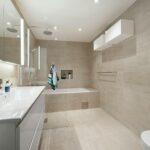
A sit-in tub combines deep soaking comfort with upright, seated safety in a compact footprint. It fits bathrooms where space is limited, but a relaxing soak is still a must.
At Secure Bath, we design sit-in and walk-in tubs that make bathing simple, safe, and satisfying for every home layout. Our tubs combine ergonomic seating, anti-slip textures, and easy-access designs that let you enjoy everyday comfort and confidence.
This guide explains what makes sit-in tubs different, what features matter most, and how to choose a durable, affordable model that matches your style and routine.
Key Takeaways
- Sit-in tubs offer seated soaking with a smaller footprint than standard tubs.
- You can choose from freestanding, walk-in, or compact seated models to match needs.
- Look for depth, seat design, and easy installation when comparing options.
What is a Sit-In tub?
A sit-in tub lets you bathe while seated on an integrated seat. It saves floor length by being deeper than a standard tub and often adds safety features for easier use.
Design and Structure
A sit-in tub has a built-in seat molded into the tub shell. The seat sits above the drain and keeps you upright, so you don’t need to slouch or balance on the tub floor. Many models include a slightly angled backrest and textured surfaces to reduce slipping.
Depth is a key feature. These tubs are shorter in length—often around 47–52 inches—but deeper, so you can soak with less floor space. Drain placement and overflow work with the seated position, keeping water levels comfortable for immersion without covering your neck.
You’ll also find grab bars, low step-in thresholds, and wider rims for hand support. Plumbing ties into standard floor drains, which makes installation easier than some walk-in tubs or full bathroom remodels.
How Sit-In Tubs Differ from Standard Bathtubs
Standard bathtubs are usually longer and shallower, meant for reclining or lying back. Sit-in tubs are compact lengthwise but deeper, designed for upright soaking instead of full-body stretch-outs.
A typical tub lets you lie flat; a sit-in tub gives you a molded seat and often ergonomic support. That changes how much water you use—sit-in tubs usually use less water than full-length tubs because they require less horizontal volume to reach soaking depth.
Accessibility also differs. Standard tubs can require climbing over a high rim. Sit-in tubs lower the physical demand with a built-in seat and often include safety features like textured surfaces and grip areas to make entering, sitting, and exiting easier.
Popular Materials Used
Acrylic is the most common material. It’s lightweight, resists stains, and keeps heat reasonably well. Acrylic shells often have a fiberglass backing for strength and cost-effectiveness. Cast acrylic and solid surface options offer a smoother, more premium feel and better heat retention.
These materials cost more but can be repaired and refinished if scratched. Enamel-coated steel or cast iron appear less often in sit-in tubs because they are heavy and harder to mold with integrated seats. However, they hold heat well and suit installations where weight isn’t an issue.
When choosing material, weigh weight, heat retention, maintenance, and budget. Each material affects installation needs and how long the tub will look and perform well.
Types of Sit-In Tubs
Sit-in tubs come in several designs that balance comfort, safety, and space. You’ll find tubs that let you sit upright for a deep soak, tubs with low doors for easy entry, and choices between freestanding models or built-ins that fit into existing layouts.
Seated Soaking Tubs
Seated soaking tubs have an integrated seat molded into the tub shell. They are deeper than standard tubs, so you can submerge your torso while sitting upright. This design saves floor length, so it works well in small bathrooms or for people who want a fuller soak without a long tub.
Materials include acrylic and cast stone. Choose a tub with non-slip flooring and a comfortable seat height — about 16–20 inches works for many people. If you want a spa feel, look for models with ergonomic backrests and optional pillow or armrest features.
Pros: deeper soak, compact length, easier to get in and out than full-length tubs. Cons: less room to stretch out and fewer options for standing showers unless paired with a handheld showerhead.
Walk-In Tubs
Walk-in tubs have a watertight door and a built-in seat so you enter at a low threshold and bathe while seated. These tubs often run deeper than regular tubs to allow full-body immersion while you remain on the seat.
Key safety features to check: quick-drain systems, anti-slip floors, grab bars, and easy-to-use controls reachable from the seat. Some models include hydrotherapy jets and anti-scald valves. Fill times are usually longer because you close the door first, but many tubs add fast drains to reduce wait time.
Consider plumbing capacity and bathroom layout before buying. Installation may require removing an existing tub and confirming drain flow to handle rapid-drain systems.
Freestanding vs. Built-In Options
Freestanding sit-in tubs sit alone and can be placed away from walls. They add a design focal point and let you access some sides for cleaning. They often need more surrounding clearance, but can be easier to replace without remodeling.
Built-in (alcove) sit-in tubs fit into a three-wall recess. They save floor space and usually cost less to install if you already have a tub footprint. Built-ins make it simpler to add grab bars, tile surrounds, and shower fixtures for a combined bath-and-shower setup.
Compare installation needs: freestanding tubs may need floor reinforcement and exposed plumbing, while built-ins often require demolition of the old tub and new waterproofing. Choose based on your bathroom layout, mobility needs, and whether you want a shower option.
Key Features and Benefits
These tubs save space, improve safety, and make bathing easier while cutting water use and energy costs. You get secure seating, slip-resistant surfaces, and options that speed filling and draining for faster, safer baths.
Compact Footprint for Smaller Bathrooms
Sit-in tubs fit into standard alcove spaces and often match common tub dimensions. Many models measure 48–60 inches long and 30–32 inches wide, so you can replace a standard tub without major layout changes. This helps keep installation time and cost down.
You can choose upright-seat designs that reduce length while keeping legroom. That layout gives you a full seated soak without the extra floor space of a full-length tub. Door-swing or inward-opening options also help when space is tight.
If your bathroom has limited access, look for models with modular panels. Those let installers work through narrow doorways. Compact designs let you add safety features without remodeling the whole room.
Enhanced Safety Elements
Sit-in tubs prioritize fall prevention and user control. Expect low step-in thresholds, textured non-slip flooring, and built-in grab bars placed within arm’s reach. These features cut the risk of slips when you enter, sit, and exit.
Watertight doors lock securely and open only after the tub drains, preventing leaks during use. Anti-scald thermostatic controls keep water below a set temperature to avoid burns. Handheld shower wands let you rinse while seated, reducing the need to stand.
Some models include quick-drain pumps so you don’t wait long to exit. If you need, add transfer benches or fold-down seats for easier lateral movement. These options let you tailor safety to your mobility level.
Ergonomic Support for Comfort
Sit-in tubs use built-in seats designed to reduce strain on hips and knees. Seats sit at a comfortable height—usually 14–18 inches—so you don’t have to lower yourself fully to bathe. That positioning also helps you keep good posture while seated.
Backrests, armrests, and contoured seat shapes support your spine and reduce pressure points. Heated seats and gentle lumbar angles are available on higher-end models to ease aches. You can adjust jet placement in some tubs to target sore muscles.
Controls are often placed within reach of the seated position. This layout lets you adjust temperature, jets, and water flow without standing. The result: a safer, more relaxed bathing routine that supports daily independence.
Water and Energy Efficiency
Modern sit-in tubs save water by using shallower basins and faster-fill systems. Typical full immersion uses less water than a deep-soak tub because the seated design requires lower fill depth. Fast-fill valves still let you reach soak temperature quickly.
Look for tubs with efficient pumps and low-wattage heaters if you choose heated seats or jets. Energy-efficient pumps use less electricity during fill and drain cycles. Digital thermostats and insulated shells reduce heat loss while you soak.
You can further reduce use by pairing a handheld shower for rinsing and short soaks instead of full fills. Many tubs offer quick-drain options that cut standing time and the need to reheat water, lowering both water and energy costs.
Warm Water and Circulation Benefits
Research from the Arthritis Foundation shows that warm-water hydrotherapy can ease stiffness, improve circulation, and promote relaxation. Regular hydrotherapy baths are linked with reduced muscle pain and better flexibility for people with arthritis and limited mobility.
Who Should Consider a Sit-In Tub?
Sit-in tubs work best when you need a compact, water-saving soak, want an easier way to sit while bathing, or must fit a tub into a small bathroom layout. Read the specific benefits and limits for seniors, small-space homeowners, and families with kids to decide if one fits your needs.
Seniors and People with Mobility Needs
Sit-in tubs offer a seated soak, which reduces the need to lie down and push yourself up afterward. If you have good balance, decent leg strength, and no severe joint pain, a sit-in tub can be comfortable for short soaks and muscle relief.
However, these tubs usually have a 20–24-inch rim. That means you must step over the side to enter, which can be unsafe if you use a cane, walker, or have unstable balance.
They rarely include built-in grab bars, low thresholds, or watertight doors that you get with walk-in tubs. If you need frequent help getting in or out, or if falls are a real risk, choose a walk-in tub or add professional mobility aids instead.
Small Space Homeowners
If your bathroom is tight — under about 43 square feet — a sit-in tub fits where a standard tub won’t. Typical sit-in tubs range from 31–47 inches long and 24–28 inches wide. That saves floor space and can free room for a vanity or storage.
You also save on water and energy. A sit-in tub uses roughly 21–26 gallons per fill versus 40–53 gallons for a full tub. That lowers your water bill and heats faster. Installation is usually lighter and faster, and you often avoid floor reinforcement or major plumbing changes.
Pick compact models designed to match your layout and plumbing location to reduce remodel costs.
Families with Children
Sit-in tubs can make bathing small children easier and safer for routine baths. The seated position lets you keep a steady hand on a child while both of you sit, and the smaller size keeps water shallow and closer for supervision.
For toddlers, the lower water volume warms faster and reduces waste. But watch the tub’s entry height and surface texture.
A tall rim and slippery finish raise fall risk when lifting kids in and out. Add non-slip mats, handholds, and a step stool with a stable grip. For infants or children who need a full recline, a larger tub may still work better.
Installation and Maintenance
Plan plumbing, electrical, and floor support before installation. Fit accessibility features and follow a simple cleaning schedule to keep the tub safe and leak-free.
Installation Requirements
Measure the existing space and doorway clearances first. Confirm the tub’s external dimensions and the access route so the unit can be brought into the bathroom without disassembly. Check floor load capacity: a filled sit-in tub plus a person can weigh 800–1,200 lb, so reinforce joists if needed.
Verify plumbing positions for hot/cold supply and drain. Match the tub’s inlet and drain locations or plan for rerouting with a licensed plumber.
If the tub has powered features (heater, pump, or blower), install a dedicated GFCI-protected circuit sized per the manufacturer’s spec and run wiring to a nearby junction box. Test the tub for leaks while you still have access to all sides.
Keep the tub indoors and out of direct sunlight before installation to avoid warping or seal damage.
Accessibility Modifications
Position the tub so the door swings freely and the user can transfer from a chair or walker. Keep at least 30–36 inches of clear floor space beside the tub for a transfer device or caregiver access. Raise or lower toilet height and relocate grab bars to create a continuous support path to the tub.
Install grab bars rated for 250–500 lb at transfer height (33–36 inches) and anchor them into studs or blocking. Add a non-slip floor surface and a low threshold or recessed step for a smaller step-over distance. Consider a swivel transfer bench or a removable seat if the built-in seat is not suitable.
If you use a lift or hoist, coordinate its footprint with tub placement and ensure ceiling or wall mounts meet structural requirements. Label emergency shutoffs and make controls reachable from the seated position.
Cleaning and Care Tips
Use non-abrasive, pH-neutral cleaners for acrylic or fiberglass surfaces. Spray cleaner, let sit one to two minutes, then wipe with a soft cloth to avoid scratching. Rinse thoroughly after each use to remove soap and residue that can degrade seals and finishes.
Inspect door seals, gaskets, and plumbing fittings monthly for cracks, hardening, or corrosion. Tighten loose fittings and replace worn seals to prevent leaks. Run the tub’s pump or blower on a monthly maintenance cycle with manufacturer-approved sanitizer to clear internal lines and prevent biofilm.
Keep vents and access panels clear and follow the manufacturer’s service schedule for motors and heaters. Store chemical cleaners and bath oils away from the tub when not in use; oils can leave residues that clog jets and shorten part life.
Frequently Asked Questions
Answers cover safety upgrades, jet features, shower combos, installation costs, financial help, and possible downsides. These details help you decide if a sit-in walk-in tub fits your needs.
How do walk-in tubs enhance safety for the elderly?
Walk-in tubs feature a low step-in (about 3 inches), allowing easy entry without lifting your leg. A watertight door keeps you dry upon entry, and a built-in seat and grab bar assist with sitting and standing. Non-slip surfaces and wide doors minimize slipping risk.
What features are available in sit-in tubs with jets?
Sit-in tubs feature whirlpool jets for targeted massage at the back, legs, and feet, and often include air-jet systems that create thousands of small bubbles for a gentle, full-body massage. They also offer heated backrests, adjustable jets, handheld shower wands, and ergonomic seats, with controls placed within easy reach for convenient adjustments.
Can walk-in tubs be combined with a shower system?
Some walk-in tubs include a Shower Package with a fixed gooseneck shower arm, bath screen for standing shower, and often a multifunction handshower. Not all tubs can be retrofitted; adding a shower may require extra plumbing and electrical work. Check with your installer first.
What are the costs associated with installing a sit-in bathtub?
The tub price varies by brand and features; basic models cost less, while jets, heated backrests, and premium finishes increase the price. Installation adds labor, plumbing, and electrical work, raising total costs. You might also need to upgrade your water heater if it can’t supply enough hot water for the tub. Get an in-home quote for a firm, site-specific price.