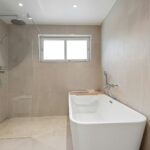
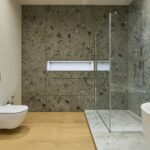
Seated bathing tubs provide a safer, more upright way to soak without needing a large bathroom. They’re designed for deep, comfortable immersion while maintaining stability and balance.
At Secure Bath, we help families choose seated tubs that combine safety with modern design. Each model supports independence with easy entry, built-in seating, and compact footprints for smaller bathrooms.
This guide explains seated tub types, key features, and how to select the right model for your comfort, mobility, and space needs—so you can bathe safely and confidently at home.
Key Takeaways
- Seated tubs offer deep soaking and upright seating in a smaller footprint.
- Different styles include compact freestanding, integrated-seat, and walk-in options.
- Focus on safety features, depth, and fit to choose the best tub for your space.
What Are Seated Bathing Tubs?
Seated bathing tubs let you enjoy a deep soak while you sit upright on an integrated seat. They save floor length by trading horizontal space for vertical depth, fit small bathrooms, and reduce slipping risk.
Defining Seated Bathing Tubs
A seated bathing tub has a built-in seat molded into the shell so you sit rather than recline. Most models are deeper than standard tubs, letting water reach your chest while the tub length stays compact. Materials range from acrylic to solid surface, and finishes vary from smooth and glossy to matte.
Freestanding and alcove styles are available. Some include armrests, textured floors, or grab bars for safety. Dimensions commonly run shorter in length (around 39″–49″) but with deeper basins (often 15″–18″+ soak depth).
Key Differences from Standard Bathtubs
Standard bathtubs focus on lying back; seated tubs focus on upright immersion. That changes shape: taller walls, shorter length, and a molded seat area. You use less water to reach full immersion, which can lower utility use.
Installation differs, too. Many seated tubs are freestanding and need standard floor drain access. Walk-in seated tubs may add a watertight door for easier entry, but those are bulkier and cost more. Comfort features like angled backs and integrated seats matter more than rim width.
Common Use Cases
Seated tubs suit small bathrooms where length is limited, but depth is possible. They work well for apartments, tiny homes, and renovated older baths.
They’re also a practical choice for anyone who prefers safer bathing—parents bathing children, people with mobility limits, or anyone who dislikes lying flat in a slipper tub. The deep, upright position supports full chest immersion for better heat retention.
If you want a compact tub that still lets you soak deeply, a seated bathing tub fits that need.
Types of Seated Bathing Tubs
Seated bathing tubs come in styles built for safety, deep soaking, or room-to-roam design. Each type changes how you enter, sit, and control water depth, so pick the one that matches your mobility needs, bathroom size, and comfort goals.
Walk-In Tubs
Walk-in tubs have a low threshold and a watertight door that seals before filling. You step in, close the door, and sit on the built-in seat while the tub fills to a safe level. This design reduces the need to lift your legs over a high rim, which helps if you have limited mobility or balance concerns.
Many walk-in models include handrails, slip-resistant floors, and fast-drain systems so the tub empties quickly after use.
Options may include therapeutic features like whirlpool jets or heated seats, but basic models focus on safety and a steady, shallow soak. Measure your bathroom doorway and floor area first; some walk-in tubs are deeper and require more clearance for the door.
Japanese Soaking Tubs
Japanese soaking tubs are compact in length but much deeper than standard tubs, letting you sit upright and soak to your shoulders. You sit on an integrated seat or a raised floor inside the tub, so your legs bend more than in a long tub.
These tubs work well in small bathrooms where you still want a full-body soak. They often feature straight sides and a shorter footprint, so you can place them against a wall or in a corner.
Materials range from acrylic to wood-look finishes that retain heat well. If you want a pure soak without lengthy transfers, a Japanese soaking tub gives deeper immersion while keeping the entry height manageable.
Freestanding Models
Freestanding seated tubs sit away from walls and act as a central fixture in the room. Some freestanding options have an internal seat or a built-in ledge for comfortable upright sitting. These tubs vary in shape—oval, rectangular, or rounded—and in depth, so check seat height and internal depth before buying.
Freestanding seated tubs suit larger bathrooms where you can approach the tub from multiple sides.
They don’t usually have a watertight door, so they’re not ideal if you need step-in access for safety. Choose one with a textured seat and optional grab bars to improve stability while entering and exiting.
Core Features and Design Considerations
These tubs focus on three things: how deep they let you soak, how the seat supports your body, and what hydrotherapy options you can add. Each point affects comfort, safety, and water use.
Deep Soak and Water Depth
A deep-soak seated tub typically holds more water vertically than a standard tub, letting you immerse your torso while seated. Look for tubs with an internal depth of 18–26 inches; that range gives full immersion for most adults without needing excessive floor space.
Depth ties directly to water volume, so deeper tubs use more water unless the tub’s internal footprint is compact.
Check floor loading and plumbing capacity before choosing a deep tub. A compact diameter with greater depth can save space while still providing a true soak. Also consider step-in height and overflow placement to avoid spillage when you settle into a deep soak.
Integrated Seating and Ergonomics
Built-in seats must support your weight and posture. Seats come as flat benches, contoured ledges, or molded ergonomic shapes. Contoured seats relieve pressure on thighs and lower back better than flat benches. Non-slip textures and slightly angled backs reduce the chance of sliding.
Measure seat height against your own leg length: 15–18 inches suits many people, while 12–14 inches helps shorter users. Reinforced construction and grab bars add safety for transfers. Pay attention to the transition from seat to floor; a short recess or lip can make standing up easier.
Hydrotherapy Options
Hydrotherapy jets change how therapeutic the soak feels. You can choose directional jets for targeted massage, air jets for gentle circulation, or a combination system. Jet placement matters: lower-back and thigh jets address muscle tension, while foot jets aid circulation in your feet and ankles.
Pump power and flow rate affect intensity; low-flow systems use less energy but provide milder massage. Look for adjustable jet heads and separate controls so you can fine-tune pressure and direction.
Also, check cleaning access and anti-microbial finishes on jet fittings to reduce maintenance and bacterial buildup.
Benefits for Users with Limited Mobility
Seated bathing tubs make bathing safer and more comfortable. They reduce the need to step over high tub walls and add features that support balance, posture, and ease of use.
Understanding Bathing Safety and Fall Prevention
According to the Centers for Disease Control and Prevention (CDC), one in four older adults experiences a fall each year, often in the bathroom. Most slips occur when stepping over high tub walls or on wet floors. Seated bathing tubs help reduce that risk with built-in seats and low entry points.
Design choices like non-slip flooring, grab bars, and stable seating support safe bathing. A lower threshold allows users to enter without strain or imbalance, helping prevent falls that can lead to injury or loss of independence.
Accessibility and Safety
Seated tubs often include a low or no-threshold entry that lets you walk or roll in without lifting your legs high. That reduces trip risk compared with standard tubs and stairs. Many models add an outward- or inward-swinging watertight door so you can enter and sit before the tub fills.
Built-in seating keeps you stable while washing. You avoid long-standing periods that stress knees and hips.
Grab bars, non-slip floors, and strategically placed handholds give you secure points to push or steady yourself. Quick-drain systems cut how long you sit in water after use, lowering dizziness or fatigue.
If you use a wheelchair or transfer board, look for tubs with transfer-height seats and enough clearance at the doorway. These specific features make transfers safer and decrease the need for caregiver lifting.
Therapeutic and Health Benefits
Seated tubs with hydrotherapy jets or adjustable air jets can ease joint pain and muscle stiffness. Warm water plus targeted jets improves circulation to sore areas, which can reduce morning stiffness from arthritis or other chronic conditions.
Sitting in a tub supports correct posture and keeps your spine aligned better than bending or crouching in a shower. That lowers strain on your back during bathing. For conditions like limited mobility or neuropathy, the steady support and gentle massage from jets can improve range of motion over time.
If you have limited endurance, the tub’s seating and faster drain let you control session length and comfort. Many users report less pain after regular, short hydrotherapy sessions compared with no treatment.
Choosing the Right Seated Bathing Tub for Your Space
Match the tub size to your bathroom layout, pick a material you can care for, and choose a look that fits your style and budget. Focus on dimensions, drain location, and the built-in seat shape to avoid surprises during installation.
Space Efficiency and Installation
Measure your bathroom floor and doorways before you shop. Note the tub footprint (length and width) and the required clearance for faucets and access panels. Seated bathtubs and compact soaking tubs often range from about 39″ to 49″ long; pick a length that leaves at least 12–18″ of clear floor in front for safe entry.
Check the drain and plumbing placement. Freestanding seated tubs need a floor drain position that lines up with the outlet. Built-in seat tubs may require wall support and a different drain location, so confirm rough-in measurements with your plumber.
Think about weight and access during installation. Acrylic or fiberglass tubs are lighter and easier to move than solid-surface models. If you have tight hallways or small stairways, order the tub that fits through the route or plan a partial demolition to bring it in.
Material and Maintenance
Choose a material that fits your cleaning routine and durability needs. Acrylic and fiberglass resist stains, warm quickly, and clean with mild soap. Solid-surface and composite tubs hold heat longer but can cost more and need nonabrasive cleaners.
Consider scratch resistance for the built-in seat area. Seats see concentrated wear from sitting and shaving, so harder finishes like cultured marble or reinforced solid-surface resist scuffs better than thin acrylic.
Look at warranties and repair options. Many acrylic tubs come with multi-year warranties and are simple to repair with kits. For a soaking tub you’ll use often, pick a finish with antimicrobial properties or a gel coat that’s easy to wipe dry to prevent mold on seams.
Design and Aesthetics
Decide whether you want a freestanding soaking tub or a built-in model with an integrated seat. Freestanding seated tubs give a statement look and flexible placement. Built-in tubs with a seat fit alcoves and can hide plumbing and tile edges.
Match faucet and finish styles to the seat shape and rim height. High-mounted faucets work better with deeper soaking tubs. Low-profile trim suits compact tubs in tight bathrooms.
Pick a seat shape for comfort. Straight bench seats work well for bathing kids or quick showers. Contoured seats support your back during long soaks. Use accent tiling or a contrasting outer finish to integrate the tub into your bathroom design without overwhelming a limited space.
Safe, Comfortable Bathing for Every Stage of Life
Seated bathing tubs offer a compact solution for deep soaking, comfort, and safety. Their design supports independence and reduces fall risks, making them a smart choice for small or aging-in-place bathrooms.
Secure Bath helps homeowners choose and install seated tubs designed for stability, accessibility, and lasting value. Each installation blends safety features with a clean, modern design that fits your space and lifestyle.
If you’re ready to upgrade your bathing experience, start by measuring your space and exploring safety-focused seated tub options. This article is for informational purposes only and does not replace professional advice.
Frequently Asked Questions
This section provides clear, practical answers on price ranges, insurance coverage, downsides for seniors, sitz-bath choices, buying tips for deep soaking seats, and mobility-focused models. It covers numbers, rules, trade-offs, and features to check when shopping.
Are walk-in tubs covered by Medicare for senior citizens?
Medicare usually doesn’t cover walk-in bathtubs as medical equipment, as coverage applies only to items used mainly in medical settings. You might qualify for aid through Medicaid, Veterans Affairs, or state programs. Check each program’s rules and get documentation from your healthcare provider before applying.
Can you list the disadvantages of walk-in tubs for the elderly?
Walk-in tubs need filling and draining, which can take time and strain small water heaters, causing cold waits or needing larger ones. They’re heavy, may require bathroom reinforcement, and professional installation.
Some seniors still struggle with seated positions or transfers, despite low thresholds. Emergency exit can be slower if the tub is full. Maintenance of seals, jets, and drains adds ongoing costs.
Which type of bathtub is recommended for sitz baths?
A small, deep soaking tub or sitz-bath basin is ideal. Choose a shallow, wide seat to sit comfortably with water covering the hips and perineal area. Look for tubs with smooth, easy-to-clean surfaces and minimal seams. Portable basins fit most toilets and are a low-cost option for occasional use.
What should one consider when purchasing a seated deep soaking tub?
Measure the bathroom doorway and space for the tub beforehand. Confirm the tub’s internal seat height, depth, and dimensions for comfortable sitting. Check water capacity and fill/drain times relative to your heater.
Assess safety features like grab bars, non-slip floors, low step-in, and easy door latch. Consider therapy options like whirlpools or heated backrests, and their maintenance and power needs. Get installation quotes covering plumbing, electrical work, and structural changes.
Are there specific seated bathtub models designed for adults with limited mobility?
Manufacturers produce walk-in tubs and seated deep soak tubs with features for limited mobility, such as low thresholds, ergonomic seats, wide watertight doors, and interior grab bars.
Some include therapeutic jets, handheld showers, fast-fill valves, and heated backrests to boost comfort and minimize immersion time. Request specifications and test a showroom model or demo to ensure ease of use.